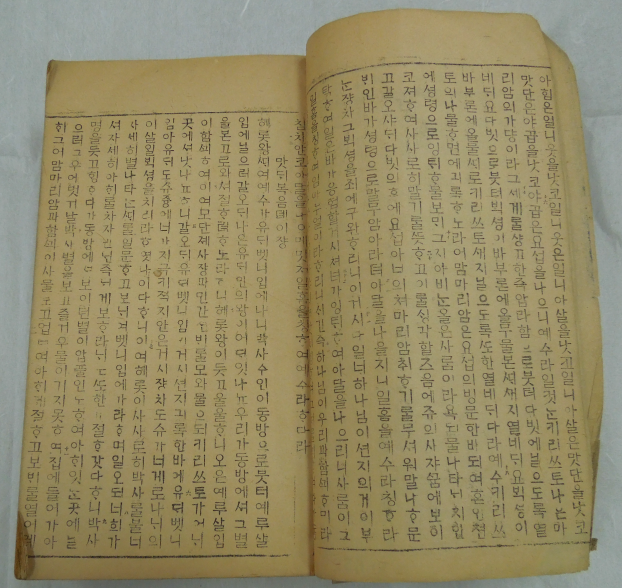
Korea met the Bible before it met a missionary.한국은 선교사를 만나기 전에 성경을 먼저 만났습니다.
Twice over — and by Korean hands both times.그것도 두 번, 두 번 다 한국인의 손으로.
In the 1780s, Korean scholars converted themselves by reading Christian books carried from Beijing — founding a church before any clergy arrived, and putting the first Gospel passages into Hangeul by 1784 (성경직해광익, the interpreter Choe Chang-hyeon (최창현), from Jesuit source texts). A century later, Korean translators working with John Ross printed the Gospels in Hangeul in Manchuria (1882–87) and carried them home. Both times, Korea reached for the Book first. 1780년대, 조선 학자들은 베이징에서 들여온 그리스도교 서적을 읽고 스스로 믿었습니다 — 성직자가 오기도 전에 교회를 세웠고, 1784년에는 최창현이 예수회 한문본을 바탕으로 주일 복음 구절을 한글로 옮겼습니다 (성경직해광익). 한 세기 뒤, 로스와 함께한 한국인 번역자들이 만주에서 한글 복음서를 인쇄했고(1882–87), 그것을 직접 고향으로 날랐습니다. 두 번 모두, 한국이 먼저 그 책을 찾아 나섰습니다.
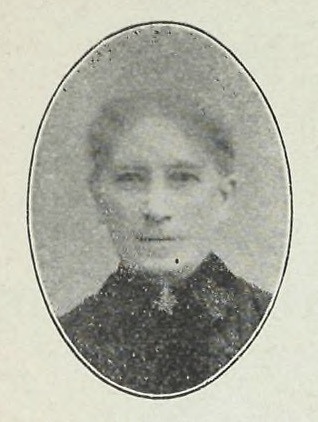
A book that unsettled an ancient order.오래된 질서를 뒤흔든 한 권의 책.
A script dismissed as "women's writing" became sacred — and the lowest were seated beside the highest."여자들 글"이라 무시당하던 글자가 거룩한 말씀을 담게 되었고 — 가장 낮은 이가 가장 높은 이 곁에 앉았습니다.
The disruption ran in two streams. A century before the mission schools, Korea's first Catholics already seated yangban beside slaves in one body and put sacred words into Hangeul by hand (1784). 이 파열은 두 흐름으로 흘렀습니다. 선교 학교들보다 한 세기 앞서, 한국 최초의 천주교인들은 이미 양반과 노비를 한 몸 안에 앉히고 거룩한 말씀을 손으로 한글에 옮겼습니다 (1784년).
Hangeul, scorned for centuries as 암글, carried its most serious content once it carried Scripture — first in hand-copied Gospels, then through a wave of new schools (Pai Chai Hakdang, 1885; Ewha Hakdang, 1886). 450년 동안 암글이라 업신여겨지던 한글은, 성경을 담게 되면서 가장 진지한 내용을 지니게 되었습니다 — 처음엔 손으로 베낀 복음서로, 다음엔 새로운 학교들(배재학당 1885, 이화학당 1886)의 물결로.
Women slipped in through a side door built for them (the yeoja ipgu); within a generation, that door was gone and they sat in front. 여성들은 그들을 위해 만들어진 옆문(여자 입구)으로 슬쩍 들어왔습니다. 한 세대 만에 그 문은 사라졌고, 여성들은 앞자리에 앉았습니다.
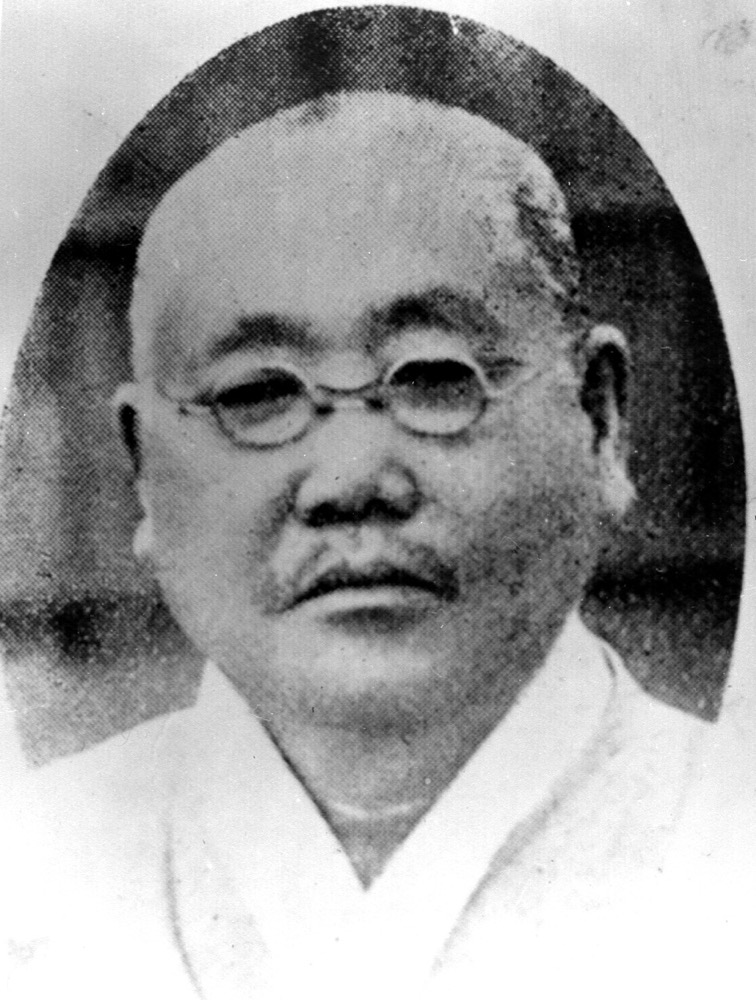
From receiving the Book — to sending it.책을 받던 나라에서 — 보내는 나라로.
A church Koreans built themselves became, within a century, one of the world's largest senders of missionaries.한국인 스스로 세운 교회가, 한 세기 만에 세계에서 손꼽히는 선교사 파송국이 되었습니다.
At Sorae, Koreans built the first self-established Korean Protestant church before any missionary arrived to plant it. By 1907, revival swept Pyongyang's Jangdaehyeon Church — soon called "the Jerusalem of the East." 소래에서, 한국인들은 선교사가 심어 주기도 전에 최초의 자생적 한국 개신교회를 세웠습니다. 1907년, 평양 장대현교회에 부흥의 불길이 번졌고 — 이내 "동방의 예루살렘"이라 불렸습니다.
A country with no Protestant church in 1882 became, within a century, one of the most-cited missionary-sending nations on earth — by widely cited figures, roughly 28,000 sent to 170+ countries. 1882년 개신교 교회가 하나도 없던 나라가, 한 세기 만에 세계에서 가장 많이 인용되는 선교사 파송국 중 하나가 되었습니다 — 널리 인용되는 수치로 약 28,000명이 170여 개국으로.
And the Book's earlier cost is remembered too: in 2014, a million Koreans gathered at Gwanghwamun as the Catholic martyrs of the Joseon persecutions were beatified. 그리고 그 책이 치른 더 이른 대가도 기억됩니다: 2014년, 백만 명의 한국인이 광화문에 모여 조선 박해 시대의 천주교 순교자들의 시복을 지켜보았습니다.
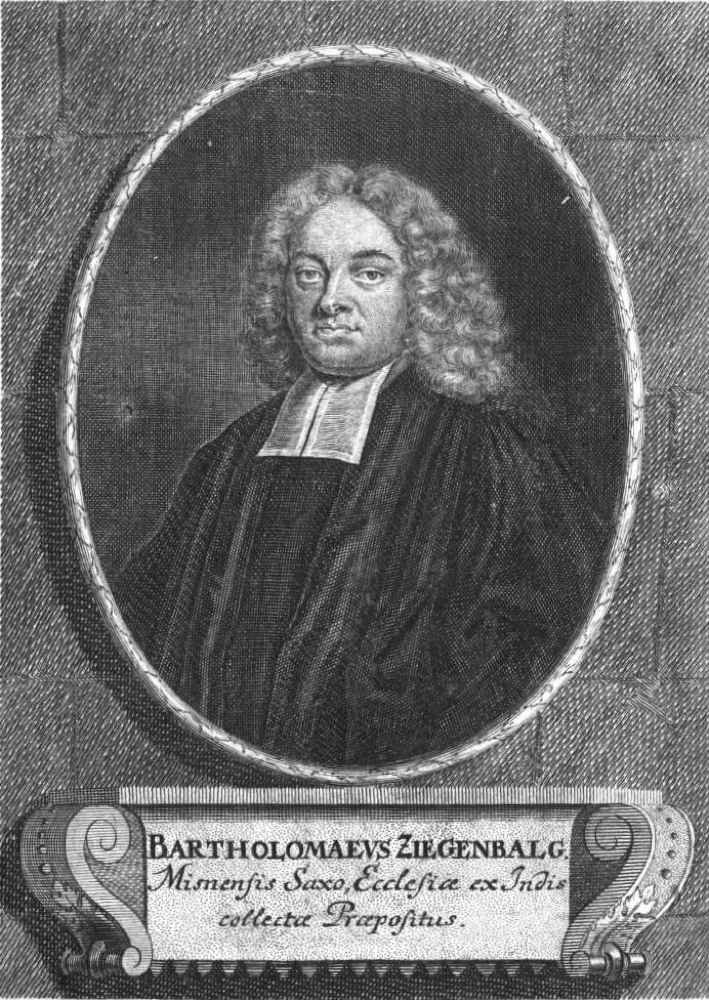 Bartholomäus ZiegenbalgIndia
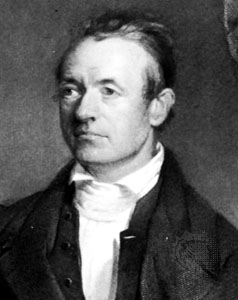 Adoniram JudsonMyanmar
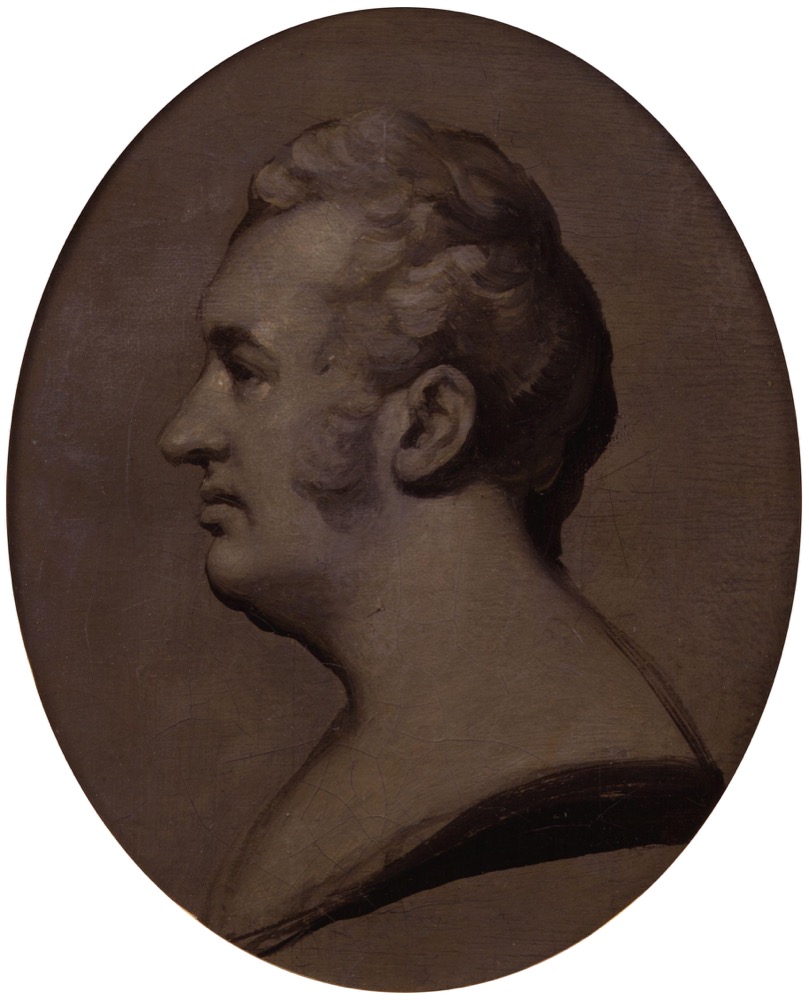 Robert MorrisonChina
A book that refused to stay in one language.한 언어에 머물기를 거부한 책.
Christianity fixed no sacred tongue — so the Bible went out in every language it could reach, all the way to Korean.기독교는 거룩한 언어를 하나로 고정하지 않았습니다 — 그래서 성경은 닿을 수 있는 모든 언어로, 마침내 한국어에까지 번져 갔습니다.
The historian Lamin Sanneh called Christianity "a translating religion" — no single holy language; the Word meant to become flesh in every people's own speech. 역사가 라민 산네(Lamin Sanneh)는 기독교를 "번역하는 종교"라 불렀습니다 — 하나의 거룩한 언어가 따로 없이, 말씀이 각 민족의 언어로 육신이 되기를 향한 종교라는 것입니다.
The Reformation and the printing press turned that into a flood — Erasmus's Greek, Luther's German, Tyndale's English — a movement shared by the whole church before it divided, then carried across Asia and into Korean by 1882. 종교개혁과 인쇄기가 그 흐름을 거대한 물결로 바꾸었습니다 — 에라스무스의 그리스어 성경, 루터의 독일어, 틴들의 영어. 교회가 나뉘기 전 온 교회가 함께한 흐름이었고, 그것이 아시아를 건너 1882년 한국어에까지 이르렀습니다.
Across Asia the Book came in three waves — Jesuit portions, then the first Protestant Bibles, then the Catholic ones — and Korea is the one nation that threads all three, first to last. 아시아 전역에서 성경은 세 번의 물결로 왔습니다 — 예수회의 부분역, 이어 최초의 개신교 성경들, 그리고 가톨릭 성경들 — 그리고 한국은 그 셋을 처음부터 끝까지 관통하는 유일한 나라입니다.
The translators called it obedience to one command: "Go… and make disciples of all nations." This room is the record of that obedience — it shows you what the conviction did, without asking you to share it. 번역자들은 이를 하나의 명령에 대한 순종이라 여겼습니다: "가서 모든 민족을 제자로 삼으라." 이 방은 그 순종의 기록입니다 — 그 확신을 강요하지 않고, 그 확신이 무엇을 이루었는지를 보여 줍니다.
We begin with nothing — except a dream.우리는 아무것도 없이 시작합니다 — 단 하나, 꿈을 품고.
Seoul Bible Museum currently exists only as a website-based program owned and operated by CrossCulture Community Foundation (CCF), with its work in Korea supported through CrossCulture Community (CC).서울성서박물관은 현재 크로스컬처 커뮤니티 파운데이션(CCF)이 소유·운영하고 크로스컬처 커뮤니티(CC)를 통해 한국에서의 활동이 지원되는 웹 기반 프로그램으로만 존재합니다.
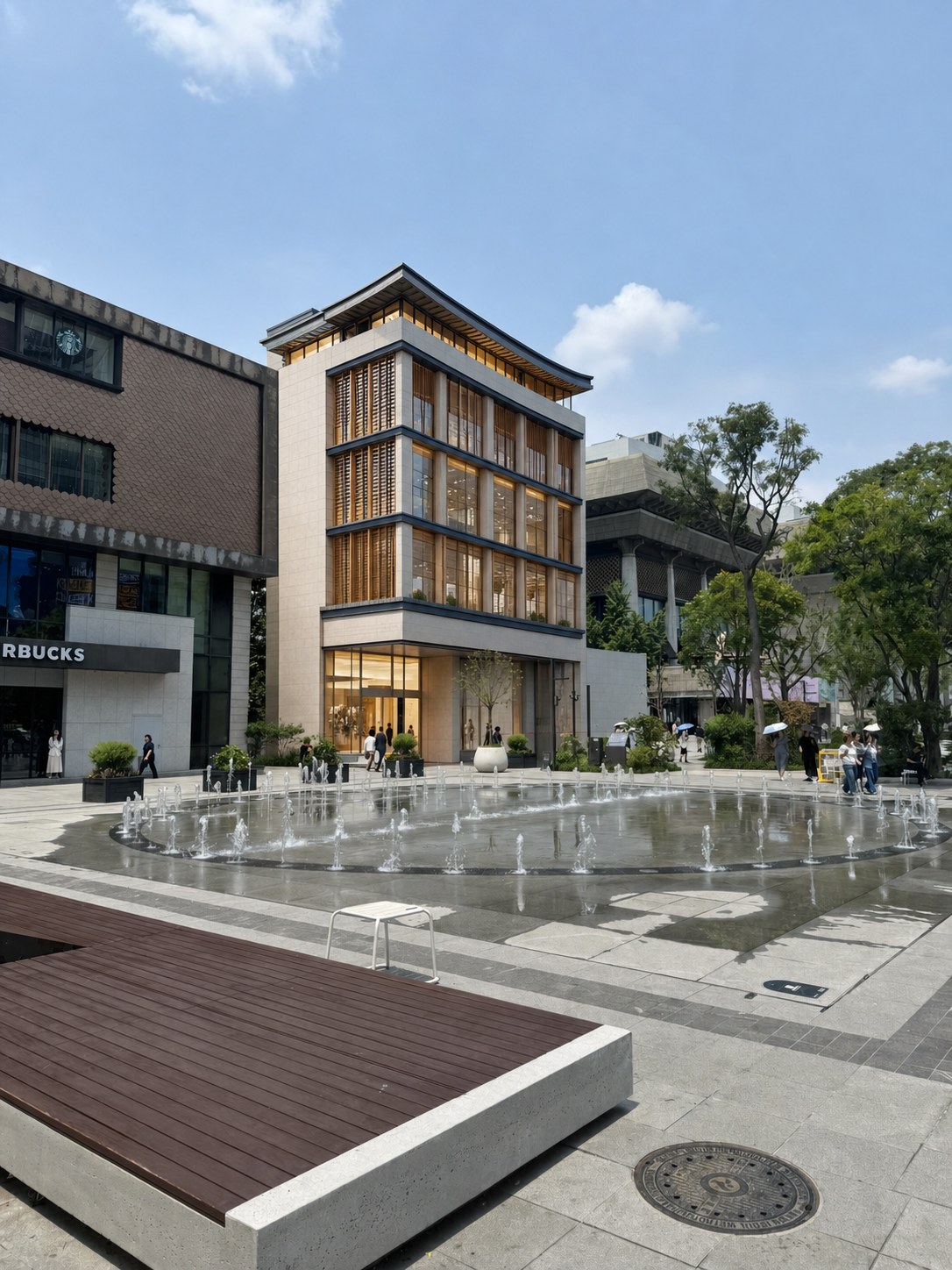
CCF's long-term capstone is a permanent physical home for Seoul Bible Museum in Seoul. No museum foundation, land, building, construction project, or physical museum currently exists.CCF의 장기적 최종 비전은 서울에 서울성서박물관의 영구적인 실물 공간을 마련하는 것입니다. 현재 박물관 재단법인, 토지, 건물, 건축 사업 또는 실물 박물관은 존재하지 않습니다.
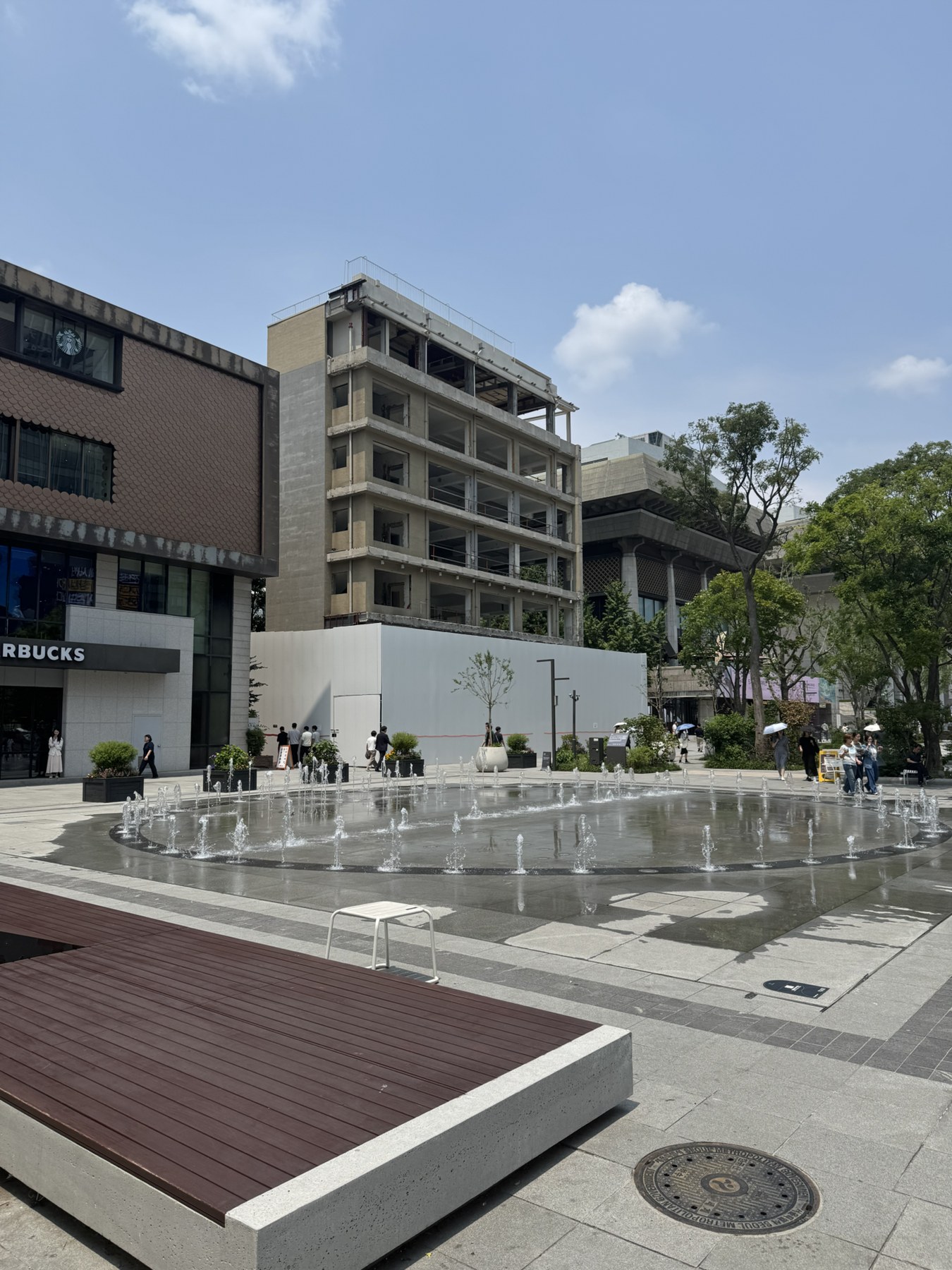
This building is not ours, and this is not a development proposal. It is a visual prayer for what might one day be possible in the heart of Seoul.이 건물은 우리의 소유가 아니며, 실제 개발 계획도 아닙니다. 언젠가 서울 중심에서 이루어질 수 있는 일을 바라보는 시각적 기도입니다.