Sorae — Scripture Before the Missionary 소래 — 선교사보다 먼저 온 성경
Korea's first Protestant Christian community was not founded by a Western missionary. It was organized by Koreans who encountered Scripture first — and they built a church even before any foreigner arrived to tell them what to do. 한국 최초의 개신교 기독교 공동체는 서양 선교사가 세운 것이 아닙니다. 성경을 먼저 만난 한국인들이 조직했습니다 — 외국인이 도착하기 전에 교회를 세웠습니다.
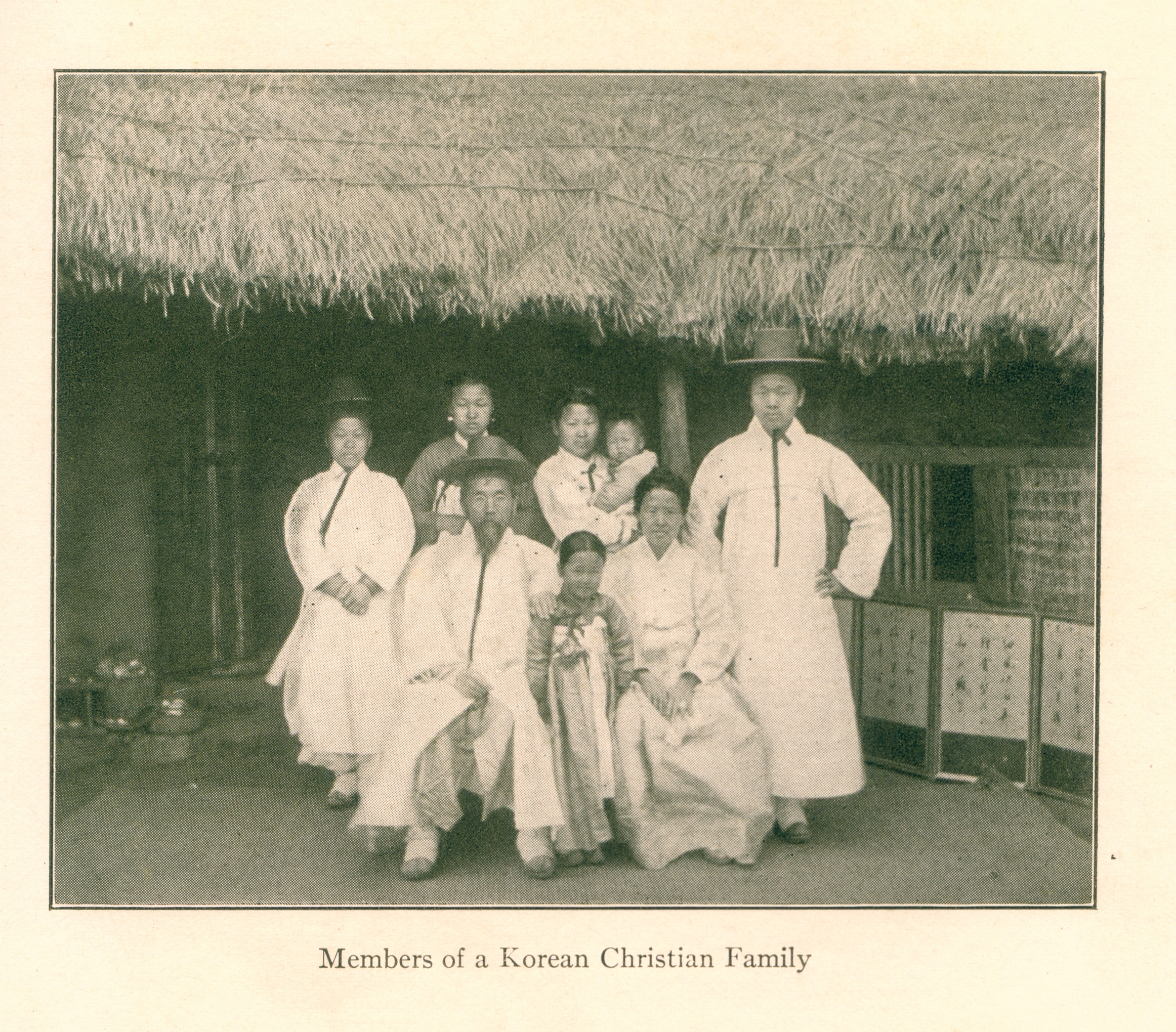
Brothers from Hwanghae Province. Sŏ Sang-ryun (서상륜) met John Ross in Manchuria while trading ginseng, helped translate Scripture, was baptized, and brought the Bible back to Korea. With his brother, he established the first Protestant congregation in Korea at their home village of Sorae (솔내/소래) — before any Western missionary had been permitted to enter the country. 황해도 출신 형제. 서상륜은 만주에서 인삼 무역 중 존 로스를 만나 성경 번역을 돕고 세례를 받았습니다. 동생과 함께 서양 선교사가 입국 허가를 받기 전에 고향 마을 소래에 한국 최초의 개신교 교회를 세웠습니다.
Seoul Museum of History, via Wikimedia Commons · KOGL Type 1 ↗Scripture came first. Community followed. Then, finally, the missionaries arrived — to a church that had already been meeting for months. 성경이 먼저 왔습니다. 공동체가 뒤따랐습니다. 그리고 마침내 선교사들이 도착했습니다 — 이미 몇 달간 모임을 가져온 교회에.
— Sorae, c. 1884 — 소래, 약 1884년
Pyongyang — Jerusalem of the East 평양 — 동방의 예루살렘
By 1907, Pyongyang had become the center of Korean Christianity. What happened in that city's churches that winter would shape Korean Christian practice to this day — and would be called the Korean Pentecost. This room stops at 1945. What came after is Wing 4. 1907년까지 평양은 한국 기독교의 중심이 되었습니다. 그 해 겨울 그 도시의 교회들에서 일어난 일은 오늘날까지 한국 기독교 수행을 형성했습니다 — 그것은 한국의 오순절이라 불릴 것입니다. 이 전시실은 1945년에서 멈춥니다.
Samuel Moffett Arrives사무엘 마펫(Samuel Moffett) 도착
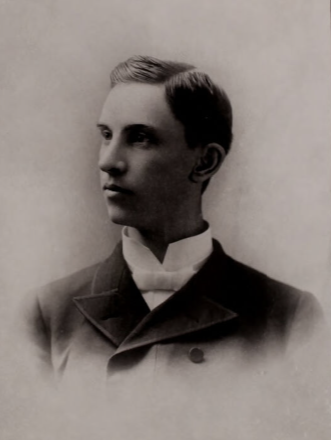
Presbyterian missionary Samuel Austin Moffett arrives in Pyongyang. He will spend 40 years there — establishing the first Korean Presbyterian seminary, planting dozens of churches, and becoming the architect of Pyongyang's Christian identity.장로교 선교사 사무엘 마펫이 평양에 도착합니다. 그는 그곳에서 40년을 보내며 최초의 한국 장로교 신학교를 설립하고, 수십 개의 교회를 개척하며, 평양의 기독교 정체성을 형성합니다.
교계예양교계예양 — 지도로 그린 양보
By the early 1890s, six mission boards — Presbyterians from the American North and South, Australia, and Canada; Methodists from the American North and South — were opening work in the same towns. Churches and schools were duplicated, converts drifted between rivals, and new believers were left wondering whether Jesus was Presbyterian or Methodist. The solution, begun in 1892 and completed in 1909, was a map: large cities remained open to all, but elsewhere the first mission to arrive served everyone, and members moved between churches by letter — not by poaching. Koreans named the principle 교계예양, "courteous yielding between church bodies." Its deepest fruits were the things held in common: one Korean Bible for every denomination, one hymnal, union hospitals and colleges — and in 1905 a General Council that dreamed of a single united Korean church. Korea's regions still carry those denominational flavors today. The Bible they read was the same. 1890년대 초, 미국 북·남장로회와 호주·캐나다 장로회, 미국 북·남감리회 — 여섯 선교부가 같은 고을에서 겹쳐 일하고 있었습니다. 교회와 학교가 중복되고, 교인들이 이 교회 저 교회로 옮겨 다니고, 새 신자들은 예수가 장로교인지 감리교인지 혼란스러워했습니다. 1892년에 시작되어 1909년에 완성된 해법은 한 장의 지도였습니다. 큰 도시는 모두에게 열어 두되, 그 외 지역은 먼저 도착한 선교부가 섬기고, 교인의 이동은 빼앗음이 아니라 이명 증서로 하기로 한 것입니다. 이 원칙을 교계예양(敎界禮讓) — "교회 간의 예의 있는 양보"라 불렀습니다. 그 가장 깊은 열매는 함께 가진 것들이었습니다: 모든 교단이 함께 쓴 하나의 한국어 성경, 하나의 찬송가, 연합 병원과 연합 대학 — 그리고 1905년, 하나의 한국 교회를 꿈꾼 연합공의회. 한국의 지역마다 남아 있는 교단의 색깔은 그 지도의 흔적입니다. 그러나 읽은 성경은 하나였습니다.
Pyongyang Theological Seminary Founded평양신학교 설립
Korea's first Presbyterian theological seminary opens in Pyongyang under Moffett. The training of Korean pastors rather than reliance on foreign missionaries — a structural decision that would shape the independence and growth of the Korean church.마펫의 지도하에 한국 최초의 장로교 신학교가 평양에서 문을 엽니다. 외국 선교사 의존 대신 한국인 목사 양성 — 한국 교회의 독립성과 성장을 형성할 구조적 결정.
The Great Pyongyang Revival평양 대부흥
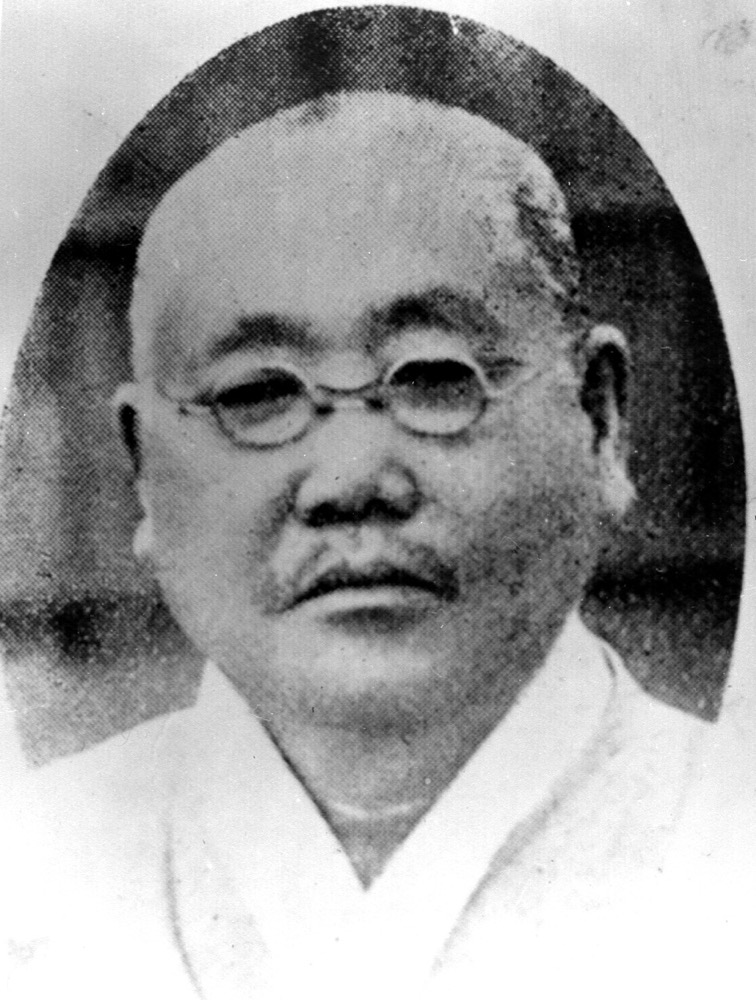
January 1907. Jangdaehyeon Church (“Great East Gate Church”). Elder Kil Sun-ju (길선주) rises to lead public confession. Kil was a former Buddhist who had converted to Christianity and become one of the most significant Korean church leaders of the era — a man of deep learning in both traditions. His role in the 1907 Revival made him the defining figure of Korean Protestant spirituality for a generation; he would continue to preach and lead until his death in 1935. What follows is unlike anything the missionaries had seen: over 1,500 gathered nightly for weeks. Public weeping, confession, reconciliation. The sound of the church praying together in one voice — all at once, all simultaneously — became the foundation of 통성기도 (simultaneous corporate prayer), a practice now distinctive to Korean Christianity worldwide. 1907년 1월. 장대현교회. 장로 길선주가 일어나 공개 고백을 이끕니다. 길선주는 불교에서 기독교로 개종한 후 그 시대 가장 중요한 한국 교회 지도자 중 한 명이 되었습니다 — 두 전통 모두에 깊은 조예를 가진 인물. 1907년 부흥에서의 역할은 그를 한 세대 동안 한국 개신교 영성의 중심 인물로 만들었으며, 그는 1935년 세상을 떠날 때까지 설교하고 이끌었습니다. 이어지는 것은 선교사들이 본 적 없는 것: 1,500명 이상이 몇 주 동안 매일 밤 모였습니다. 공개적 통곡, 고백, 화해. 교회가 한 목소리로 함께 기도하는 소리 — 동시에, 모두 함께 — 통성기도의 기원이 됩니다.
Jerusalem of the East동방의 예루살렘
The revival spreads across Korea and into Asia. Pyongyang earns the name "Jerusalem of the East." By 1945, there are an estimated 300,000 Christians in northern Korea — concentrated around Pyongyang. The city is the spiritual capital of the Korean church. 부흥은 한국 전역과 아시아로 퍼집니다. 평양은 '동방의 예루살렘'이라는 이름을 얻습니다. 1945년까지 북한에 약 30만 명의 기독교인이 있으며 평양 주변에 집중됩니다.
Division — The Story Splits분단 — 이야기가 갈라지다
August 15, 1945. Korea is liberated from Japan — and immediately divided at the 38th parallel. The Jerusalem of the East falls on the northern side of the line. What happens next is not in this room. 1945년 8월 15일. 한국이 일본에서 해방됩니다 — 그리고 즉시 38선으로 분단됩니다. 동방의 예루살렘이 그 선의 북쪽에 놓입니다.
→ Wing 4 / Room 4.NK — North Korea after 1945 이야기는 계속됩니다 — 그러나 여기서 갈라집니다.
→ 제4관 / 4.NK 전시실 — 1945년 이후 북한
The Numbers 숫자들
There is no precedent in modern mission history for what Korea did. A country with zero Protestant churches in 1882 became one of the largest missionary-sending nations in the world within 100 years. The numbers are not the point — but they are evidence of something. 한국이 한 것에 대한 현대 선교 역사의 전례가 없습니다. 1882년에 개신교 교회가 전혀 없던 나라가 100년 안에 세계 최대의 선교사 파송국 중 하나가 되었습니다. 숫자가 요점은 아니지만 — 무언가의 증거입니다.
Zero official churches did not mean zero faith. Hand-copied Gospels were already crossing the Yalu, and at Sorae (Room 3.1), Koreans had founded the first self-established Korean Protestant congregation before any missionary had set foot in the country. 공식 교회가 하나도 없었다고 해서 믿음이 없었던 것은 아닙니다. 손으로 베낀 복음서가 이미 압록강을 건너고 있었고, 소래(전시실 3.1)에서는 선교사가 발을 들이기도 전에 한국인들이 스스로 최초의 한국 개신교회를 세웠습니다.
Pyongyang alone earned the name "the Jerusalem of the East" — epicenter of the 1907 revival (Room 3.2) and, for a time, the most Christian city in Korea. Division in 1945 placed that community on the northern side of the line; what became of it afterward is the most unresolved chapter this museum tells. 평양은 홀로 "동방의 예루살렘"이라는 이름을 얻었습니다 — 1907년 부흥(전시실 3.2)의 진원지였고, 한때 한국에서 가장 기독교적인 도시였습니다. 1945년 분단은 그 공동체를 경계선 북쪽에 남겼습니다. 그 이후 무슨 일이 있었는지는 이 박물관이 전하는 이야기 중 가장 풀리지 않은 장입니다.
2nd largest missionary-sending nation on earth, behind only the USA — from a country of 50 million people. Per capita, Korea leads outright: roughly 1,014 missionaries per million people, versus 614 for the USA — the highest ratio of any country with a population over 5 million. 2nd in total, 1st per capita. 세계에서 2번째로 큰 선교사 파송국 — 미국에 이어, 5천만 인구의 나라에서. 인구 비례로는 한국이 단연 1위입니다: 인구 백만 명당 약 1,014명의 선교사로, 미국의 614명을 앞섭니다 — 인구 500만 이상인 나라 중 가장 높은 비율입니다. 총수로는 2위, 인구 비례로는 1위입니다.
The movement began small: just 24 missionaries in 1974. By 2006 that had grown to roughly 15,000; by the 2015–2017 peak, an estimated 27,000–28,000 (27,205 in 2015; 27,436 in 2017). The transformation from mission field to mission force took roughly 50 years — by the 1970s, Korean missionaries were reaching Southeast Asia, the Middle East, and Central Asia, and today serve in regions many Western missionaries cannot. 이 운동은 작게 시작했습니다: 1974년에는 단 24명이었습니다. 2006년에는 약 15,000명으로 늘었고, 2015~2017년 정점에는 약 27,000~28,000명으로 추정됩니다(2015년 27,205명; 2017년 27,436명). 선교지에서 선교 세력으로의 변화는 약 50년이 걸렸습니다 — 1970년대까지 한국 선교사들이 동남아시아, 중동, 중앙아시아에 이르렀고, 오늘날에는 서양 선교사들이 갈 수 없는 지역에서도 활동합니다.
Honest accounting: growth has plateaued since around 2014. The Korea World Missions Association's official 2023 count puts long-term Korean missionaries at 21,917 across 174 countries — below the 2015–2017 peak, not above it. Reporting the current, lower number alongside the historic peak is more honest than repeating only the bigger figure. 정직한 셈: 성장은 2014년 무렵부터 정체되었습니다. 한국세계선교협의회(KWMA)의 2023년 공식 집계는 장기 한국 선교사 수를 174개국 21,917명으로 밝히고 있습니다 — 2015~2017년 정점보다 낮은 수치입니다. 더 큰 숫자만 반복하기보다, 현재의 더 낮은 수치를 역사적 정점과 함께 밝히는 것이 더 정직합니다.
In 1882, the first Korean Scripture had to be printed outside the country — in Mukden, Manchuria — and smuggled in. Today, the Korean Bible Society (대한성서공회, founded 1895) is one of the world's major Bible producers: roughly 5 million Bibles a year, in more than 200 languages, for over 100 countries. 1882년, 최초의 한국어 성경은 국외 — 만주 봉천 — 에서 인쇄되어 밀반입되어야 했습니다. 오늘날 대한성서공회(1895년 설립)는 세계 주요 성경 생산 기관 중 하나입니다: 연간 약 500만 부를, 200개 이상의 언어로, 100개국 이상에 공급합니다.
Overseas supply began in 1973; in 2016, KBS was certified as a UBS Scripture Publishing Support Center. 2018 was a documented peak year: over 6 million Bibles, 217 languages, 118 countries. Beyond production, KBS donates directly — 538,442 Bibles to 52 countries in 2016 alone, with congregation-sponsored shipments continuing today. 해외 공급은 1973년에 시작되었고, 2016년에는 세계성서공회연합회(UBS)의 성서출판지원센터로 인증받았습니다. 2018년은 기록으로 남은 정점의 해였습니다: 217개 언어, 118개국에 600만 부 이상. 생산을 넘어 대한성서공회는 직접 기부도 합니다 — 2016년 한 해만 52개국에 538,442부를 기증했고, 교회 후원 선교 물량은 오늘날에도 계속되고 있습니다.
The Book that once had to be smuggled into Korea is now printed here by the millions and sent out. 한때 한국으로 밀반입되어야 했던 그 책이, 이제는 이곳에서 수백만 부씩 인쇄되어 세계로 보내지고 있습니다.
"Korea received the Gospel from the West. Korea is now sending the Gospel back to the East — and to everywhere else." "한국은 서양으로부터 복음을 받았습니다. 한국은 이제 복음을 동방으로 — 그리고 모든 곳으로 — 다시 보내고 있습니다."
— Contemporary Korean mission historian — 현대 한국 선교 역사가
A Catholic Thread, Woven Through the Same Nation 같은 나라를 관통한 가톨릭의 실
Korea's Christian story is not only the Protestant thread this wing has traced. The Catholic community — the one that reached for the Book first, in 1784 (Wing 1) — left its own mark on the nation: on its language, and on how the country remembers those who died for the Bible. 한국의 그리스도교 이야기는 이 전시실이 따라온 개신교의 실만이 아닙니다. 1784년 가장 먼저 성경을 찾아 나섰던 가톨릭 공동체(제1관)도 이 나라의 언어와, 성경을 위해 죽은 이들을 나라가 기억하는 방식에 자신의 흔적을 남겼습니다.
The First Korean Dictionary and Grammar최초의 한국어 사전과 문법서
Under Bishop Félix-Clair Ridel, the Paris Foreign Missions Society compiled the first Dictionnaire Coréen-Français (1880) and the first Grammaire Coréenne (1881) — printed in Yokohama, before Korea was open, like the earliest Scriptures. Foundational Korean-language infrastructure, and a Catholic contribution to the same language thread Wing 2 traces through Hangeul.리델(Félix-Clair Ridel) 주교 아래 파리외방전교회가 최초의 한불자전(1880년)과 최초의 한국어 문법서(1881년)를 편찬했습니다 — 한국이 아직 열리기 전, 초기 성경들처럼 요코하마에서 인쇄되었습니다. 한국어의 기초 인프라이며, 제2관이 추적하는 한글의 같은 언어적 흐름에 가톨릭이 남긴 기여입니다.
Jeoldusan Martyrs' Shrine절두산 순교성지
절두산 ("Mount of Beheadings"), Mapo-gu, Seoul, over the Han River: inaugurated for the centenary of the 1866 persecution — a museum, church, and Stations of the Cross on the execution ground itself.절두산(마포구, 한강변): 1866년 병인박해 100주년을 맞아 세워진 순교 성지 — 처형장 위에 세워진 박물관, 성당, 십자가의 길.
103 Korean Martyrs Canonized — First Outside Rome한국 순교자 103위 시성 — 로마 밖 최초
Pope John Paul II canonized the 103 Korean Martyrs in Seoul on 6 May 1984 — the first canonization ever held outside the Vatican. Among them Andrew Kim Tae-gon (김대건, 1821–1846), the first Korean-born Catholic priest, ordained in Shanghai in 1845, beheaded at Saenamteo (새남터) — the Yongsan riverside execution ground, now a shrine and church — in 1846, aged 25.교황 요한 바오로 2세가 1984년 5월 6일 서울에서 한국 순교자 103위를 시성했습니다 — 바티칸 밖에서 열린 최초의 시성식. 그중 김대건 안드레아(1821–1846)는 한국인 최초의 천주교 사제로, 1845년 상하이에서 서품받고 1846년 새남터 — 용산 한강변의 처형장으로, 지금은 성지와 성당이 있는 곳 — 에서 참수되었습니다. 향년 25세.
A Million at Gwanghwamun광화문에 모인 백만 명
Pope Francis beatified 124 martyrs — Paul Yun Ji-chung (윤지충 바오로) and 123 companions, laypeople killed in the Joseon persecutions (1791–1888) — at Gwanghwamun Plaza, Seoul, on 16 August 2014, before an estimated one million people. Kang Wan-suk (강완숙), featured in Wing 2, was among them. The very square this museum looks toward has already held the nation's largest act of remembrance for those who died for the Bible.프란치스코 교황이 2014년 8월 16일 광화문 광장에서 순교자 124위 — 윤지충 바오로와 동료 123인, 1791–1888년 조선 박해 시기에 죽은 평신도들 — 를 시복했습니다. 추정 백만 명이 모였습니다. 강완숙(제2관)도 이 124위 중 한 사람입니다. 이 박물관이 바라보는 바로 그 광장이, 성경을 위해 죽은 이들을 기리는 이 나라 최대의 추모 행사를 이미 품었던 곳입니다.
The pope's trip traced this heritage as a single arc: prayer at Seosomun — Korea's largest martyrdom site, where Kang Wan-suk (강완숙) herself died — on 16 August, the Gwanghwamun beatification that same day, then Haemi on 17 August, where Catholics were imprisoned, tortured, and buried alive between 1866 and 1882 — widely cited estimates range from roughly 1,000 to 2,000, most of them nameless. The Vatican named Haemi an international pilgrimage site on 1 March 2021 — Korea's second, after the Seoul Catholic Pilgrimage Route (2018).교황의 방한은 이 유산을 하나의 여정으로 이었습니다: 8월 16일 한국 최대의 순교지이자 강완숙이 순교한 서소문에서의 기도, 같은 날 광화문 시복식, 그리고 8월 17일 해미 방문 — 1866년부터 1882년 사이 천주교인들이 투옥되고 고문받고 생매장된 곳으로, 널리 인용되는 추정치는 약 1,000명에서 2,000명 사이이며 대부분 이름이 남지 않았습니다. 바티칸은 2021년 3월 1일 해미를 국제 순례지로 지정했습니다 — 2018년 서울 천주교 순례길에 이어 한국에서 두 번째입니다.
Seosomun Shrine History Museum서소문성지 역사박물관
Opened 25 May 2019 on the Seosomun crossroads — Korea's largest martyrdom site, where Kang Wan-suk (강완숙), featured in Wing 2, and many others died. A roughly 70 billion won underground museum, co-funded by the central government, Seoul city, the district office, and the Archdiocese of Seoul: a rare example of state-and-church partnership in a faith-heritage museum, and a peer institution to this one.2019년 5월 25일, 한국 최대의 순교지인 서소문 사거리에 개관했습니다 — 강완숙(제2관)을 비롯한 많은 이가 순교한 곳입니다. 약 700억 원 규모의 지하 박물관으로, 중앙정부·서울시·자치구·서울대교구가 공동으로 재정을 지원했습니다: 국가와 교회가 함께 세운 신앙 유산 박물관의 드문 사례이자, 이 박물관과 같은 자리에 놓인 동료 기관입니다.
Andrew Kim Tae-gon (김대건 안드레아), a National and Global Figure김대건, 국가를 넘어선 인물
The 200th anniversary of the birth of Andrew Kim Tae-gon (김대건 안드레아) (2021) was among UNESCO's anniversary commemorations that year — recognizing him as heritage "not only for the Church in Korea but for the world." In 2023, a statue of him was unveiled in an exterior niche of St. Peter's Basilica at the Vatican, the first East Asian saint so honored — widely covered in Korea's secular press as a moment of national pride. A biopic, Birth (탄생, 2022), brought his story to general cinema audiences.2021년 김대건 신부 탄생 200주년은 유네스코의 그 해 기념 인물에 포함되었습니다 — "한국 교회뿐 아니라 세계를 위한" 유산으로 인정받은 것입니다. 2023년에는 바티칸 성 베드로 대성당 외벽 감실에 그의 동상이 세워졌습니다 — 이렇게 예우받은 첫 동아시아 성인으로, 한국 언론에서도 국가적 자긍심의 순간으로 널리 보도되었습니다. 2022년 전기 영화 <탄생>은 그의 이야기를 일반 관객에게 전했습니다.
Wing 4 explores where the Bible went in Asia before it came to Korea, and where it went after Korea received it. The Korean story is not an isolated chapter — it is a node in a network that spans the continent. That network is the subject of the next wing. 제4관은 한국에 오기 전 성경이 아시아에서 어디로 갔는지, 그리고 한국이 받은 후 어디로 갔는지를 탐구합니다. 한국의 이야기는 고립된 장이 아닙니다 — 대륙을 아우르는 네트워크의 노드입니다.